

Commercial Security
Security Audit Checklist: How to Assess Your Facility’s Vulnerabilities
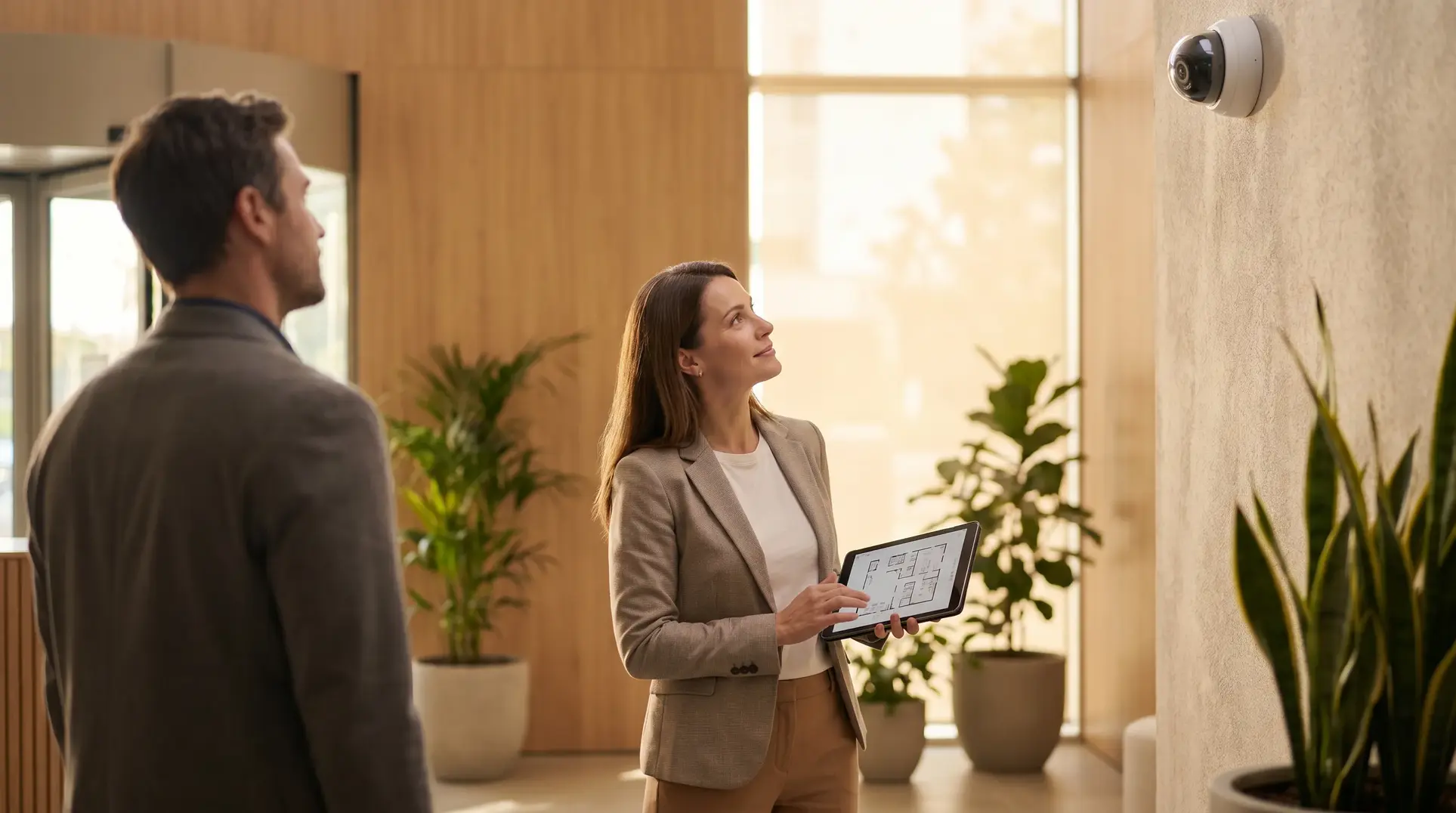
When we talk with facility managers about their security concerns, the conversation often starts the same way: they know something isn’t quite right with their current setup, but they’re not sure exactly where the gaps are or how serious they might be. Maybe there’s been a near-miss incident, a tenant complaint about access issues, or an insurance renewal that’s prompting harder questions about coverage and documentation. Whatever the trigger, the underlying need is the same—a systematic way to evaluate what’s actually protecting their building versus what they assume is protecting it.
A proper security audit isn’t about checking boxes or generating paperwork for a file drawer. It’s about understanding how your facility’s security layers work together (or don’t), identifying vulnerabilities before someone exploits them, and making informed decisions about where to invest limited resources. We’ve conducted hundreds of these assessments across commercial properties, multi-residential buildings, and industrial facilities throughout Canada and the United States, and the process we use follows a consistent four-layer framework that mirrors how professional security evaluations actually function.
This guide walks you through that framework—perimeter, access control, surveillance, and system integration—so you can begin assessing your own facility’s vulnerabilities with the same methodology we bring to every engagement.
What a Commercial Security Audit Actually Evaluates
Before diving into specifics, let’s clarify what we mean by a security audit in the commercial facility context. This isn’t the same as a cybersecurity audit focused on network vulnerabilities and digital threats—though those concerns increasingly overlap with physical security systems. A commercial security audit examines the physical infrastructure, electronic systems, policies, and procedures that protect your facility, its occupants, and its assets.
According to NIST security audit standards, a security audit is a systematic evaluation that measures how well organizational systems align with established criteria. For commercial facilities, those criteria include everything from whether your doors actually lock when they’re supposed to, to whether your surveillance footage would be useful six weeks after an incident.
The four-layer framework we use organizes the assessment into:
- Perimeter security — Your first line of defense, including fencing, gates, lighting, and exterior access points
- Access control — Electronic and mechanical systems managing who enters which areas and when
- Surveillance — Camera coverage, recording quality, retention, and monitoring capabilities
- System integration — How all these components communicate and work together as a coordinated ecosystem
Each layer depends on the others. A sophisticated access control system means little if perimeter vulnerabilities allow unauthorized entry before anyone reaches a controlled door. High-resolution cameras provide limited value if they’re not positioned to capture the areas where incidents actually occur. And none of it matters much if the systems don’t communicate—if a forced door doesn’t trigger camera recording, or if alarm events don’t reach anyone who can respond.
Layer 1: Perimeter Security Assessment
The perimeter often receives the least attention during informal security reviews, yet it represents your facility’s first opportunity to deter, detect, and delay unauthorized access. A thorough perimeter assessment examines every point where your property boundary meets the outside world.
What to Evaluate
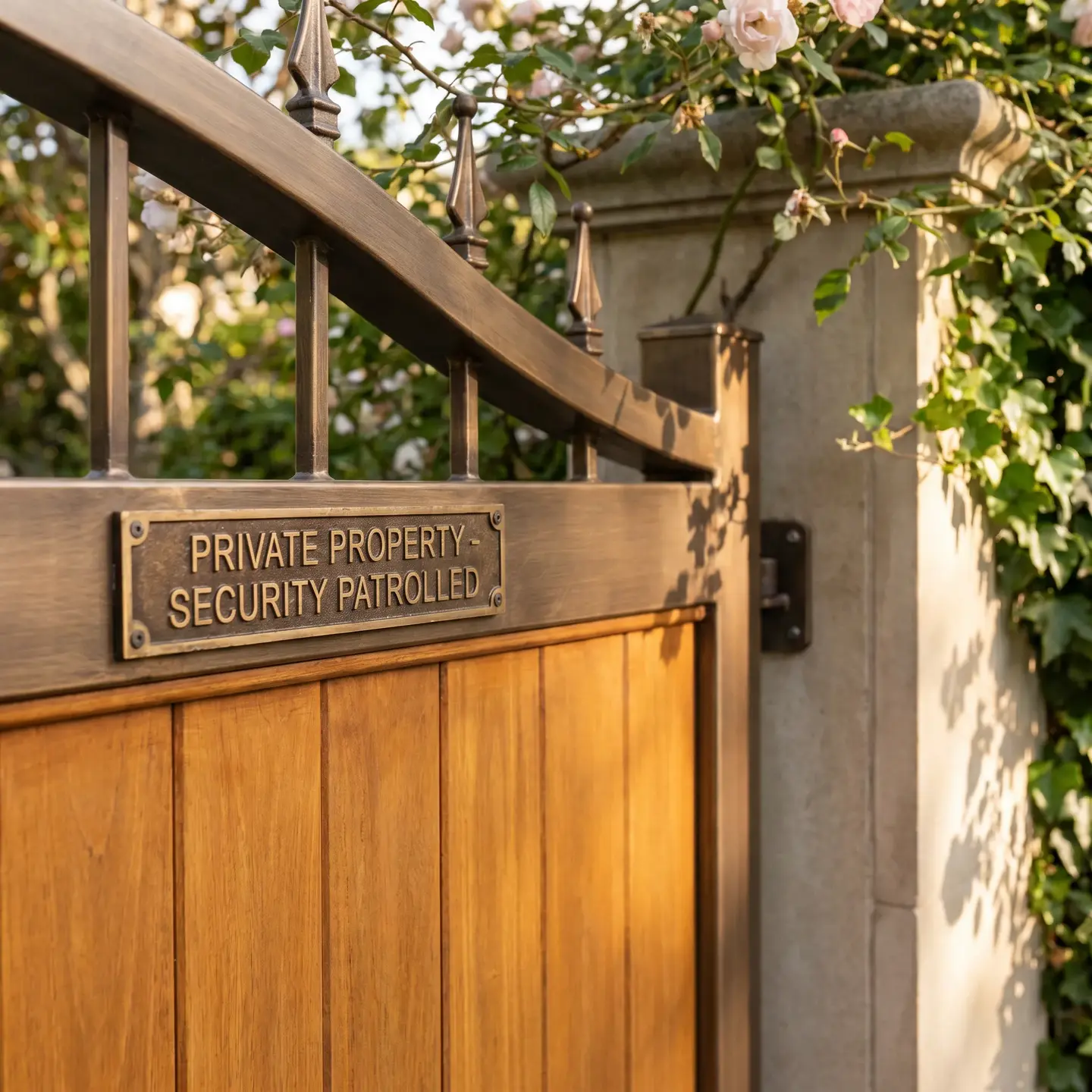
Physical barriers: Walk your entire property line with fresh eyes. Fencing should be intact without gaps, damage, or erosion underneath. Gates should close completely and latch securely—we’ve seen countless facilities where vehicle gates that appear closed actually have gaps wide enough for a person to slip through.
Lighting adequacy: This requires assessment during actual operating conditions, not just daytime walkthroughs. A perimeter lighting gap that seems minor at 2 PM becomes a critical vulnerability during third-shift operations or winter months when darkness arrives early. Effective security lighting eliminates shadows where someone could conceal themselves while maintaining consistent illumination across all entry points.
Vehicle and pedestrian access points: Document every location where vehicles or people can enter your property—not just the obvious main entrances, but also:
- Loading docks and service entrances
- Emergency exits that open to unsecured areas
- Parking garage entry and exit points
- Utility access points and mechanical room entrances
Natural surveillance opportunities: The CISA physical security frameworks emphasize environmental design principles that enhance security through visibility. Are your perimeter areas visible from occupied spaces? Do landscaping or architectural features create concealment opportunities?
Common Perimeter Vulnerabilities
During assessments, we frequently discover:
- Lighting fixtures that have failed without anyone noticing
- Vegetation growth that now blocks camera sightlines or creates hiding spots
- Gate automation that works intermittently, leaving entry points unsecured during failures
- Signage that’s faded, missing, or contradicts actual security policies
- Unlocked utility access points that bypass all interior security measures
Perimeter weaknesses don’t just represent standalone vulnerabilities—they cascade into interior security failures. If someone can access your property undetected, your access control system only protects the doors they haven’t found a way around.
Layer 2: Access Control System Review
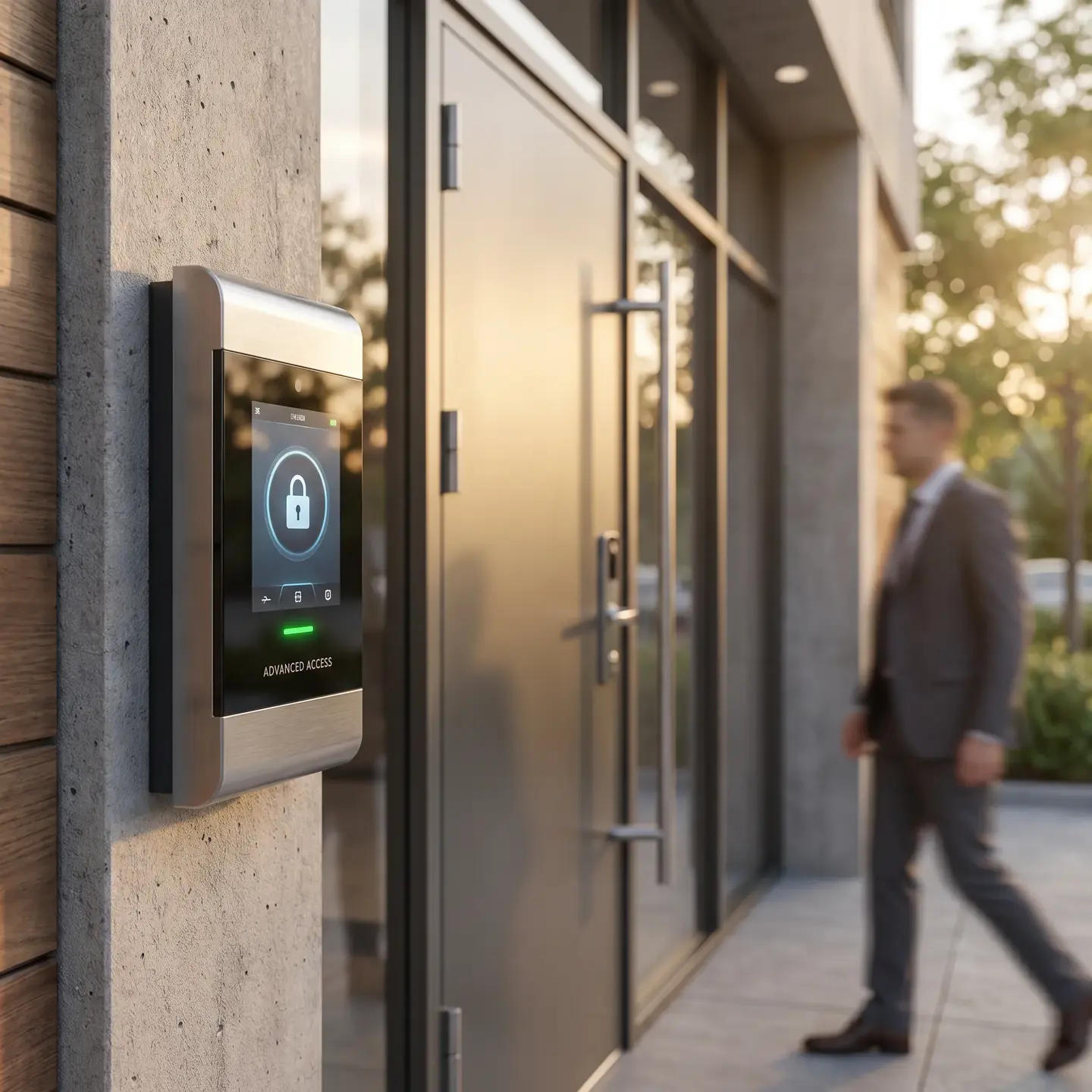
Access control sits at the heart of most commercial security strategies, managing the fundamental question of who goes where and when. But the technology is only as good as the policies and workflows surrounding it. A comprehensive access control audit examines both the electronic systems and the human processes that govern them.
Credential Management Workflows
Start with how credentials move through your organization:
- Issuance: Who authorizes new credentials? What verification occurs before someone receives building access?
- Modification: When an employee changes roles, do their access permissions update accordingly?
- Revocation: How quickly are credentials deactivated when someone leaves? We’ve audited facilities where departed employees retained active credentials for months.
Employee turnover and tenant changes represent particularly high-risk periods. If your credential database isn’t synchronized with HR systems or tenant management, you’re almost certainly carrying active credentials that should have been revoked.
Access Point Coverage
Your access control systems should protect every point where entry matters—not just main entrances. Evaluate:
- Server rooms, telecom closets, and mechanical spaces
- Stairwell doors that could allow floor-to-floor movement bypassing elevator controls
- Rooftop access points
- Interior doors protecting sensitive areas
- Garbage rooms to prevent non-tenant garbage dumping
Hardware and Configuration Assessment
Door hardware reveals a lot about installation quality and ongoing maintenance:
- Fail-safe vs. fail-secure configurations: Does each door fail to the appropriate state during power loss? Life safety codes require certain doors to unlock for egress, while security-critical doors may need to remain locked.
- Request-to-exit devices: Are motion sensors positioned correctly to detect legitimate exits without allowing tailgating?
- Emergency egress compliance: Fire codes don’t care about your security preferences—doors must release when required.
Common Access Control Vulnerabilities
Our audits consistently reveal:
- Shared credentials used across multiple employees or tenants
- Authorization hierarchies that grant broader access than job functions require
- Visitor management processes that bypass normal credentialing
- Doors propped open during deliveries without compensating procedures
- Outdated user databases containing hundreds of former employees or tenants
Layer 3: Surveillance Coverage Analysis
Video surveillance serves two distinct purposes that often require different assessment criteria: real-time monitoring for immediate response, and forensic evidence for after-the-fact investigation. Your video surveillance solutions need to support whichever purpose—or both—your facility requires.
Camera Placement and Coverage
Effective surveillance placement follows the path that people and vehicles actually travel through your facility. This includes:
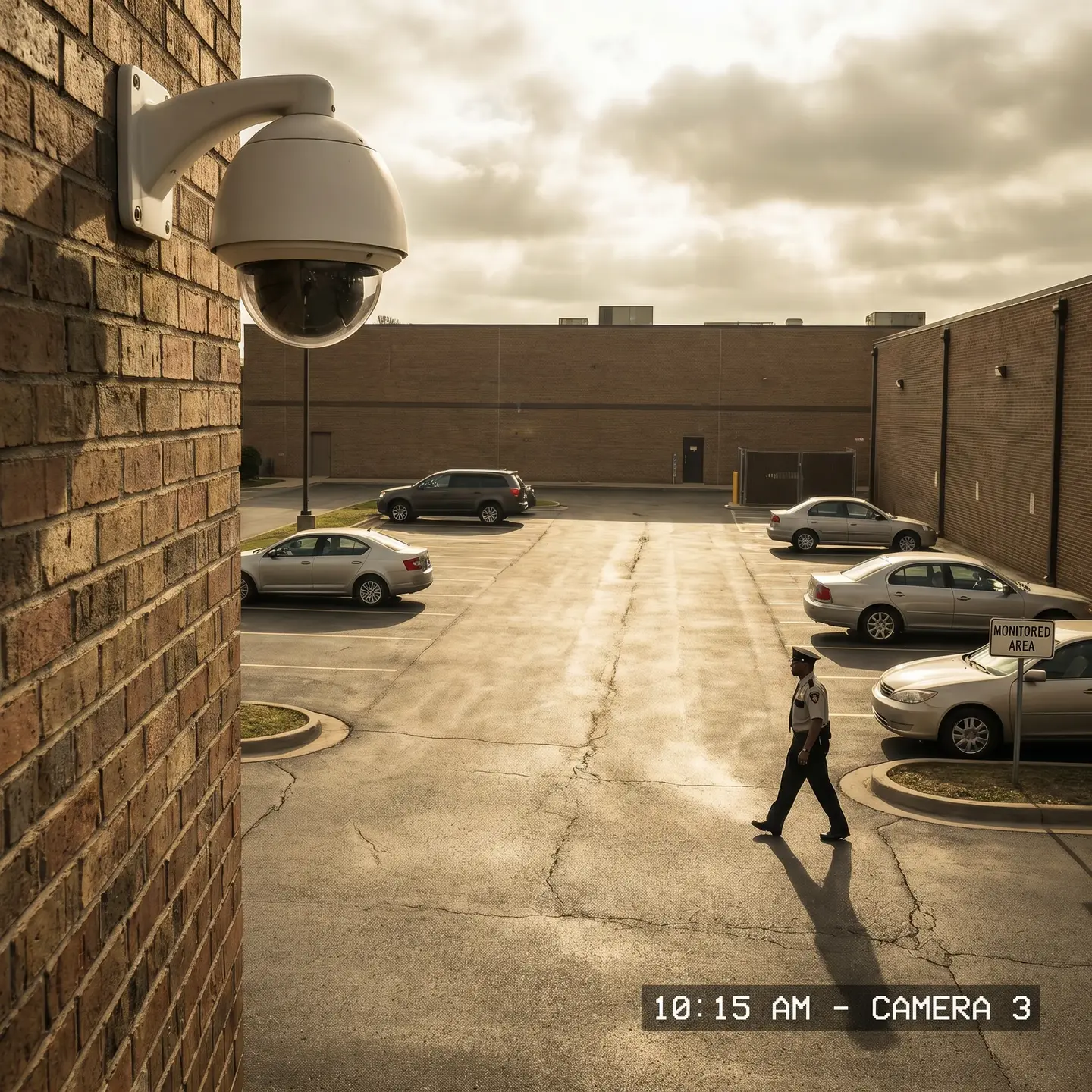
- All entry and exit points: Every door, gate, and access point should have camera coverage capable of capturing identifiable images
- Transaction areas: Reception desks, point-of-sale locations, loading docks
- Sensitive zones: Server rooms, cash handling areas, inventory storage
- Common areas: Lobbies, hallways, parking structures, elevators
Walk through your facility following likely paths of unauthorized access. Where would someone go if they wanted to avoid being recorded? Those blind spots represent your highest-priority coverage gaps.
Image Quality Assessment
Camera resolution matters less than whether the camera actually captures what you need:
- Identification vs. detection: Can you identify a specific person, or only detect that someone was present?
- Lighting conditions: How do cameras perform during different times of day, different seasons, and when artificial lighting fails?
- Environmental factors: Are exterior cameras affected by weather, glare, or physical obstructions?
Test your system by reviewing actual footage from various times and conditions—not just the demo reel from when the system was new.
Storage and Retention
Recording capacity and retention policies often create invisible vulnerabilities:
- Retention period: How far back can you retrieve footage? Most investigations require evidence from days or weeks before the incident was discovered.
- Storage redundancy: What happens if a recorder fails? Is footage backed up automatically?
- Retrieval process: Can your team actually find and export footage when needed, or does that capability exist only in theory?
Common Surveillance Vulnerabilities
Typical findings include:
- Cameras positioned for aesthetics rather than effective coverage angles
- Retention periods shorter than investigation timelines require
- Recording systems at capacity, overwriting footage faster than intended
- Cameras that work during daytime walkthroughs but fail in actual low-light conditions
- No monitoring capability—cameras record but nobody watches
Layer 4: System Integration Audit
This layer separates facilities with actual security systems from those with collections of security components. Integration determines whether your security infrastructure creates actionable intelligence or just generates separate streams of data nobody correlates.
Cross-System Communication
Evaluate whether your systems actually talk to each other:
- Access events triggering surveillance: Does a denied credential automatically cue camera recording? Does a forced door alert pull up the relevant camera view?
- Unified alarm management: Do intrusion alarms, access violations, and fire events route to a single monitoring interface—or must operators watch multiple disconnected systems?
- Coordinated response capabilities: Can a single incident trigger multiple appropriate responses (lockdown sequences, notification dispatches, evidence preservation)?
Your integrated security systems should function as a coordinated ecosystem, not isolated islands requiring manual correlation during incidents.
Monitoring and Response
Who actually responds when systems generate alerts?
- Is monitoring 24/7 or only during business hours?
- How quickly do alerts reach someone who can act?
- Are response procedures documented and tested?
Scalability and Future Planning
Integration also affects your ability to adapt:
- Can your current platform accommodate facility expansions?
- Are you locked into proprietary systems that limit future options?
- Does your infrastructure support emerging technologies you may need?
Compliance and Documentation Review
Security systems don’t exist in isolation from regulatory and contractual requirements. Your audit should verify that systems meet applicable standards and that you can demonstrate compliance when asked.
What Documentation to Examine
- System diagrams: Do you have current, accurate drawings showing what’s installed and how it’s connected?
- Maintenance records: Can you demonstrate regular testing and service?
- Incident logs: Are security events documented consistently?
- Audit trails: Do your systems maintain records of who accessed what and when?
For fire alarm systems, ULC fire alarm monitoring certification represents the standard that insurance providers and fire marshals expect. Your audit should verify not just that monitoring exists, but that it meets ULC requirements and that documentation proves it.
The ASIS International security management guidelines provide frameworks for comprehensive security program documentation that many organizations find valuable as reference standards.
When to Conduct Security Audits
Annual assessments provide baseline oversight, but several triggers should prompt more immediate review:
- Facility changes: Expansions, renovations, or reconfigurations often create new vulnerabilities
- Tenant turnover: New occupants bring different security requirements and credential management needs
- Incidents or near-misses: Security events reveal actual versus assumed protection levels
- Insurance renewals: Carriers increasingly require documented security assessments
- Technology obsolescence: Systems past manufacturer support may have unpatched vulnerabilities
- Regulatory changes: New requirements may affect compliance status
What Happens After the Audit
Identifying vulnerabilities accomplishes nothing without action. Effective remediation requires prioritization based on actual risk:
- Critical vulnerabilities: Issues that could enable immediate harm—forced doors that don’t alarm, camera blind spots at high-value targets, failed emergency systems
- High-priority gaps: Significant weaknesses requiring near-term attention—credential management failures, coverage gaps, integration disconnects
- Incremental improvements: Enhancements that strengthen overall posture—upgraded resolution, expanded coverage, enhanced monitoring
Budget realities mean most facilities address vulnerabilities in phases. The audit findings provide the roadmap; professional implementation ensures corrections actually improve security rather than simply adding equipment.
Moving Forward
A proper security audit reveals not just what you have, but whether what you have actually protects your facility. The four-layer framework—perimeter, access control, surveillance, and integration—provides the structure for systematic assessment that addresses how professional security actually functions.
We’ve built our practice around this integrated approach because we’ve seen too many facilities with expensive components that don’t communicate, sophisticated systems that nobody maintains, and coverage that looks good on paper but fails in practice. The audit process identifies these gaps before incidents expose them.
If your facility is due for assessment—or if any of the vulnerabilities described here sound familiar—the next step is straightforward. A professional security evaluation translates uncertainty into actionable intelligence, giving you the information you need to make informed decisions about protecting your building, your tenants, and your operations. That’s what we do at Ainger Cabling + Security, and it’s a conversation we’re always ready to have.
Frequently Asked Questions
Common issues are outdated employee credentials, shared badges, propped doors, and poor revocation processes. Audit your database against HR records and test every door’s fail-safe mode to ensure it matches your security needs without breaking fire codes.
Walk the entire property line at night: inspect fences for gaps, test gates for full closure, verify lighting eliminates shadows, and note all entry points like loading docks. Fix failed lights or overgrown vegetation first—they’re cheap wins that deter intruders early.
The framework breaks down into perimeter security (fencing, gates, lighting), access control (credentials, doors), surveillance (cameras, storage), and system integration (how everything communicates). Start your self-audit by walking each layer to spot obvious gaps fast.
Do it now if you’ve had tenant changes, near-misses, expansions, insurance questions, or tech that’s obsolete. Prioritize critical fixes like non-alarming doors first, then phase in integrations to avoid wasting budget on isolated upgrades.
Blind spots on entry paths, low-light failures, short retention (under weeks), or full storage that overwrites evidence. Test by reviewing real footage from different times—reposition cameras to cover actual risks like server rooms, not just lobbies.