

Emergency Call Box Systems Built
for Commercial Campuses and Parking Lots
What Are Emergency Call Box Systems?
MANUFACTURER-AUTHORIZED EMERGENCY COMMUNICATION
Emergency call box systems provide one-touch communication between employees, visitors, or students and security personnel or emergency responders. Ainger Cabling + Security installs manufacturer-authorized emergency call stations built for commercial campuses, parking structures, healthcare facilities, and industrial sites across Canada and the United States. Every system works reliably from day one with factory-backed warranties and 24/7 live monitoring capability. Because Ainger installs both the call stations and the structured cabling they depend on, the system is engineered as one piece, from the conduit in the ground to the monitoring station.
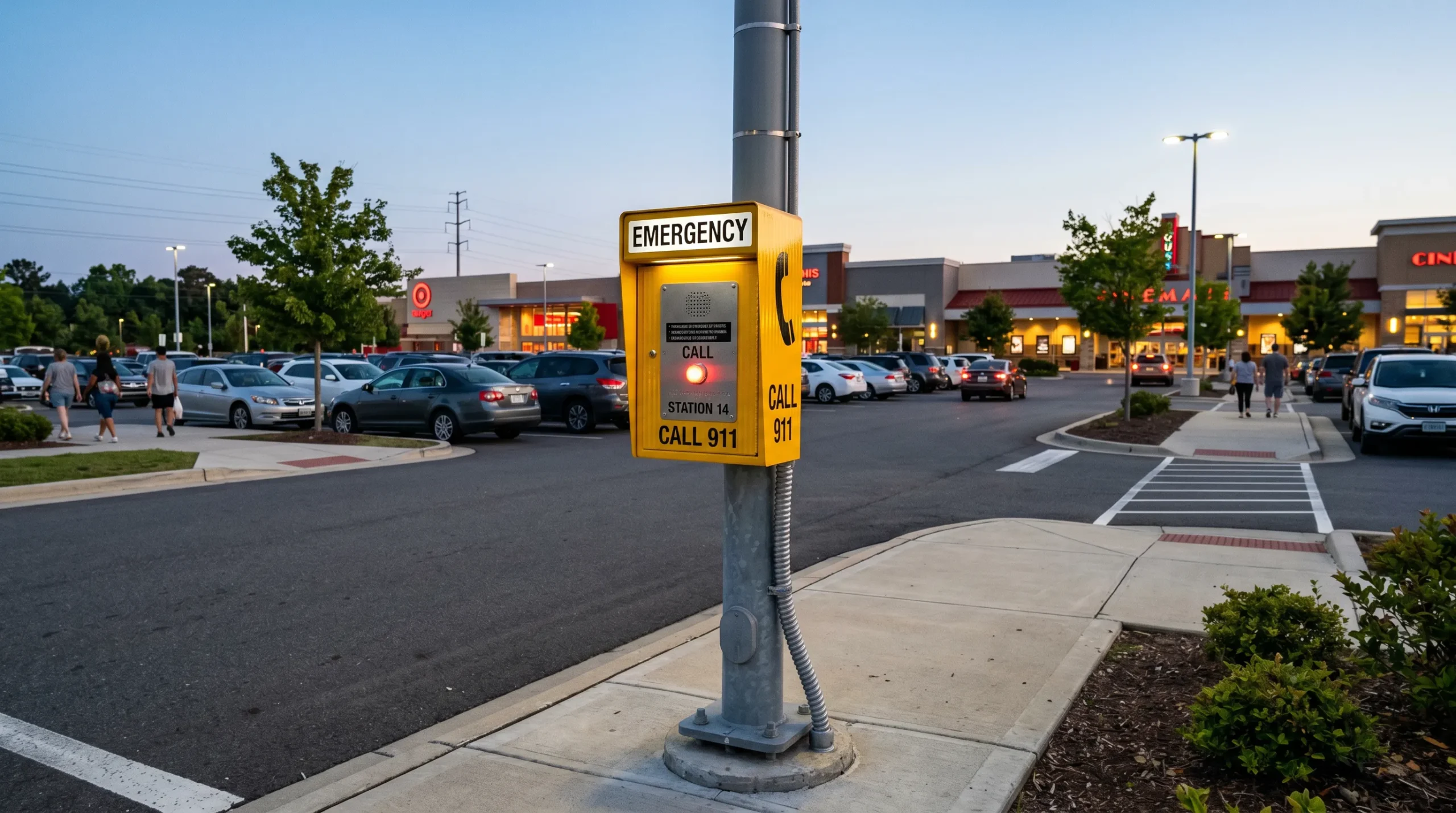
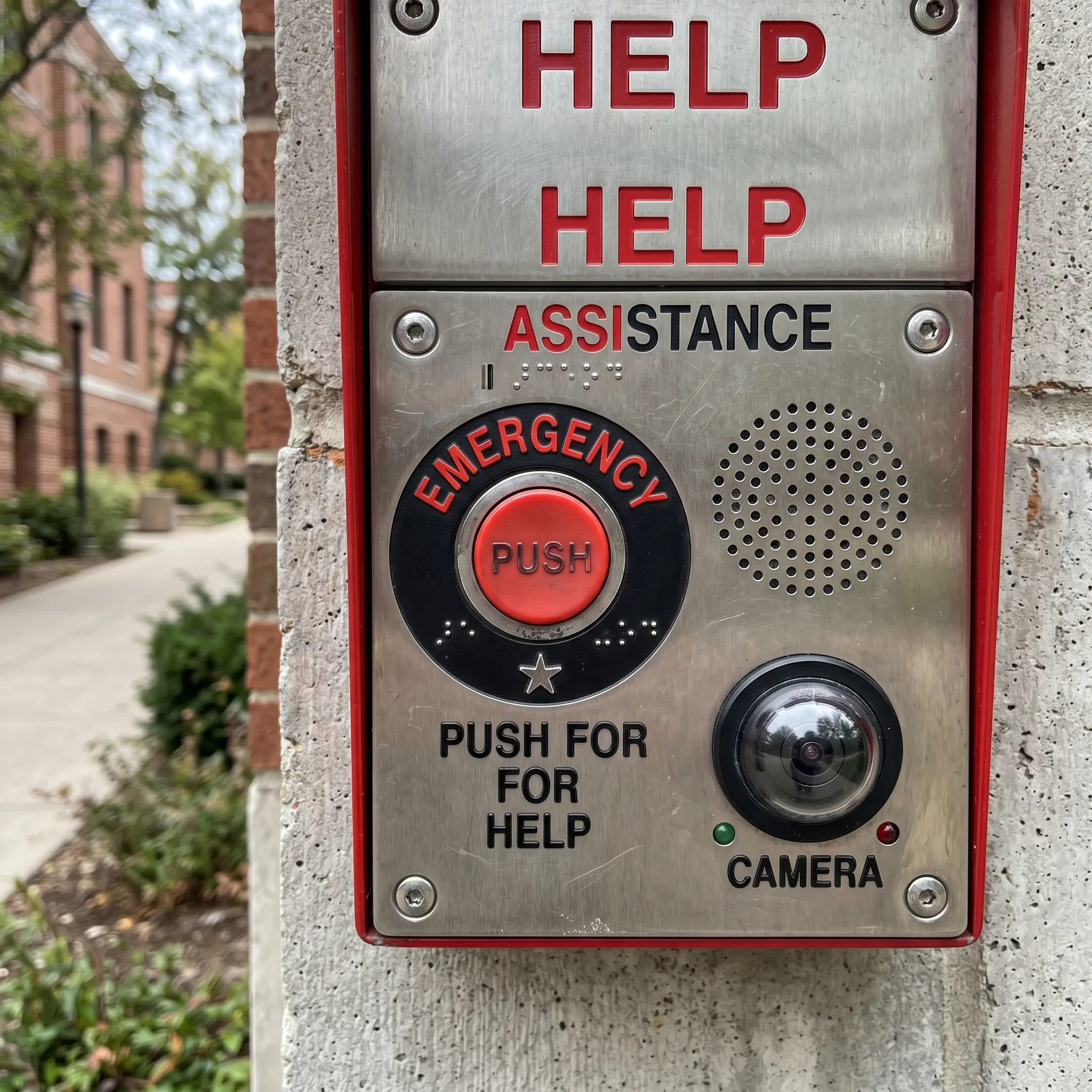
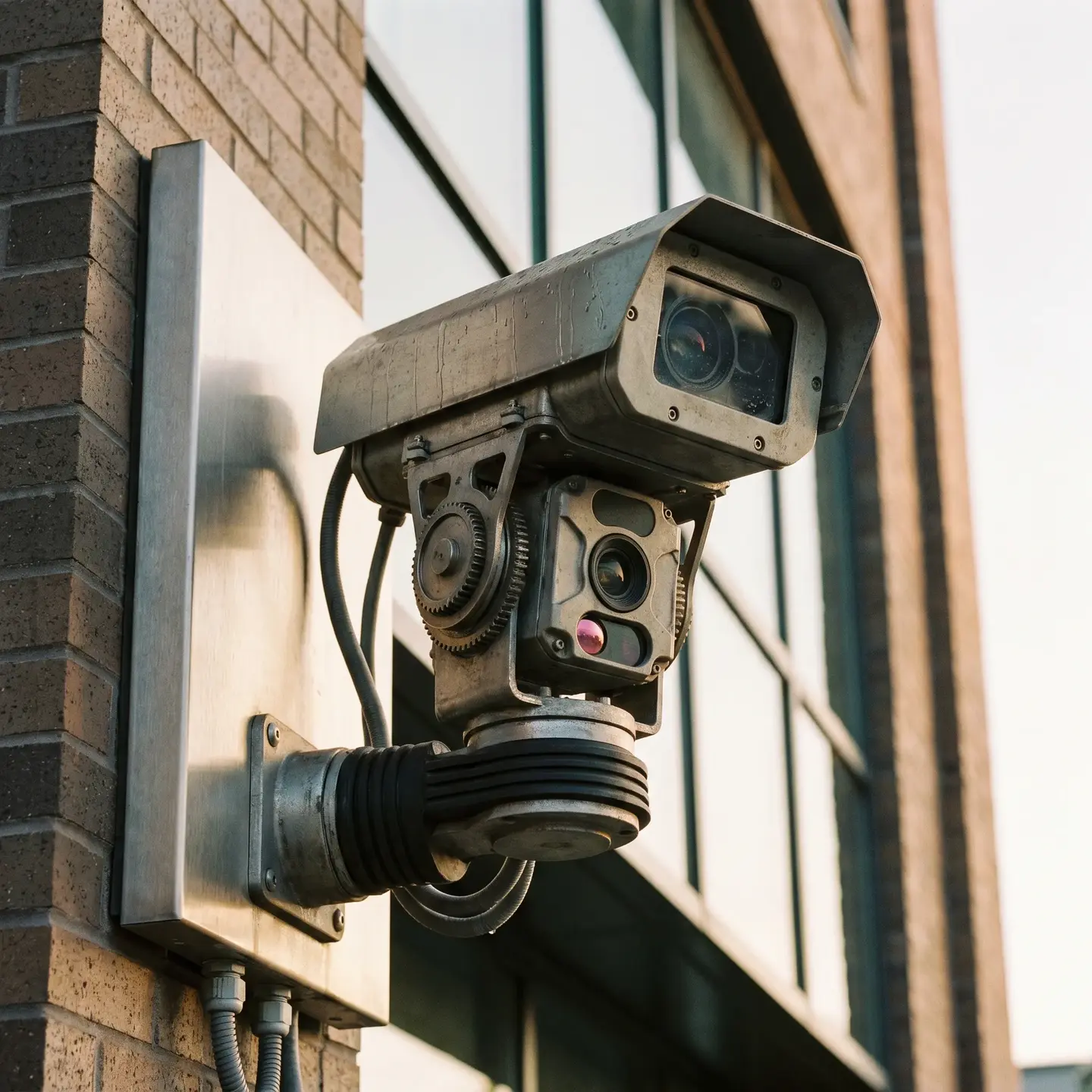
Emergency call box systems are outdoor or indoor communication stations that allow users to contact security personnel, emergency responders, or facility management with a single button press. Each call station typically includes a weather-resistant enclosure, push-button interface, two-way audio speaker and microphone, and optional integrated camera for visual verification. Systems connect via IP network infrastructure, analog phone lines, or cellular connectivity depending on site requirements and existing infrastructure.
Call boxes are commonly deployed in parking lots, campus walkways, building perimeters, loading docks, industrial yards, and remote facility areas where cellular coverage may be unreliable. When activated, the system transmits the caller’s location, audio feed, and optional video stream to a monitoring station or security dispatch center. Commercial-grade emergency call boxes meet ADA accessibility requirements with tactile buttons, audible feedback, and mounting heights compliant with accessibility codes. Our planning guide for emergency call stations covers placement, monitoring integration and accessibility requirements in more detail.
How Emergency Call Box Systems Work
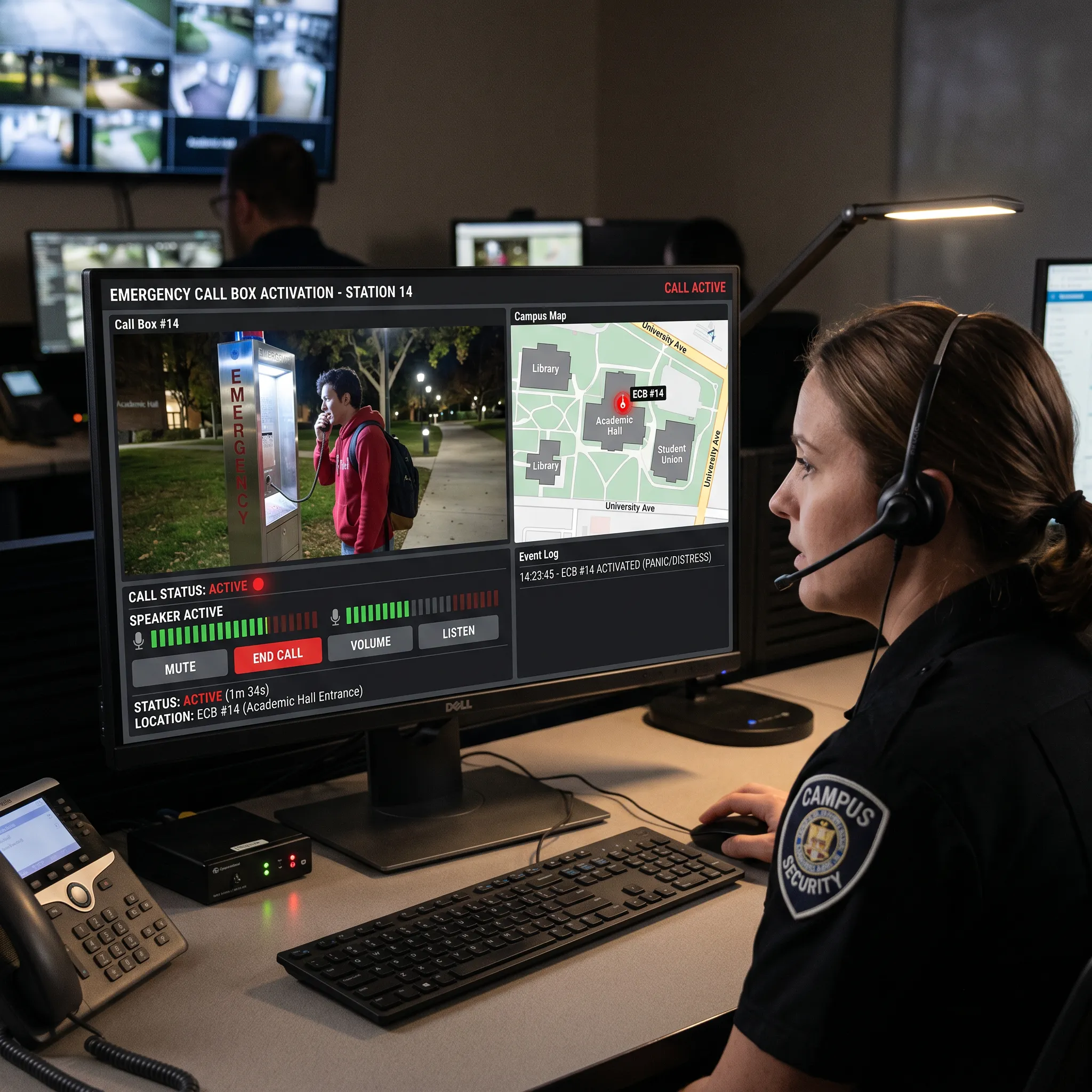
User presses the emergency button on the call station, which immediately opens a two-way audio channel to the designated monitoring location. The system automatically transmits the call box location identifier to security personnel, eliminating the need for the caller to describe their position.
- If the call box includes an integrated camera, live video streams to the monitoring station simultaneously with the audio connection.
- Security personnel assess the situation through two-way communication and visual verification, then dispatch appropriate response resources.
- Call boxes can be configured to dial directly to on-site security, a third-party monitoring center, or emergency services depending on facility protocols.
- Systems log every activation with timestamp, location, audio recording, and video clip for incident documentation and compliance reporting.
- Network-connected call boxes integrate with access control and CCTV systems to unlock nearby doors, trigger camera recording, or activate perimeter lighting during an emergency event.
Who Needs Emergency Call Box Systems?
Emergency call box systems serve commercial decision-makers across eight verticals, each with distinct safety requirements and compliance considerations:
- Commercial office campuses and business parks with parking structures, outdoor walkways, or remote building access points where employees work late hours.
- Healthcare facilities including hospital parking areas, emergency department entrances, and perimeter zones where staff and visitors require immediate assistance access.
- Educational institutions such as colleges, universities, and private schools with campus walkways, parking lots, residence halls, and athletic facilities.
- Hospitality properties including hotels, resorts, and conference centers with parking garages, outdoor event spaces, and remote building wings.
- Industrial facilities and warehouses with loading docks, outdoor storage yards, and perimeter areas where workers operate equipment or handle materials alone.
- Multi-tenant commercial properties and property management portfolios where building owners must provide tenant safety infrastructure and meet liability standards.
- Retail and entertainment venues with large parking lots, outdoor queuing areas, or late-night operations requiring visible security presence.
Indoor vs Outdoor Emergency Call Stations
COMMERCIAL EMERGENCY COMMUNICATION CAPABILITIES
Outdoor emergency call boxes feature weather-resistant enclosures rated for temperature extremes, moisture, UV exposure, and vandal resistance. Outdoor models typically include integrated heating elements to prevent component failure in cold climates and sealed speaker grilles to prevent water intrusion.
- Indoor call stations use lighter enclosures and standard environmental ratings suitable for climate-controlled spaces such as parking garages, stairwells, and building lobbies.
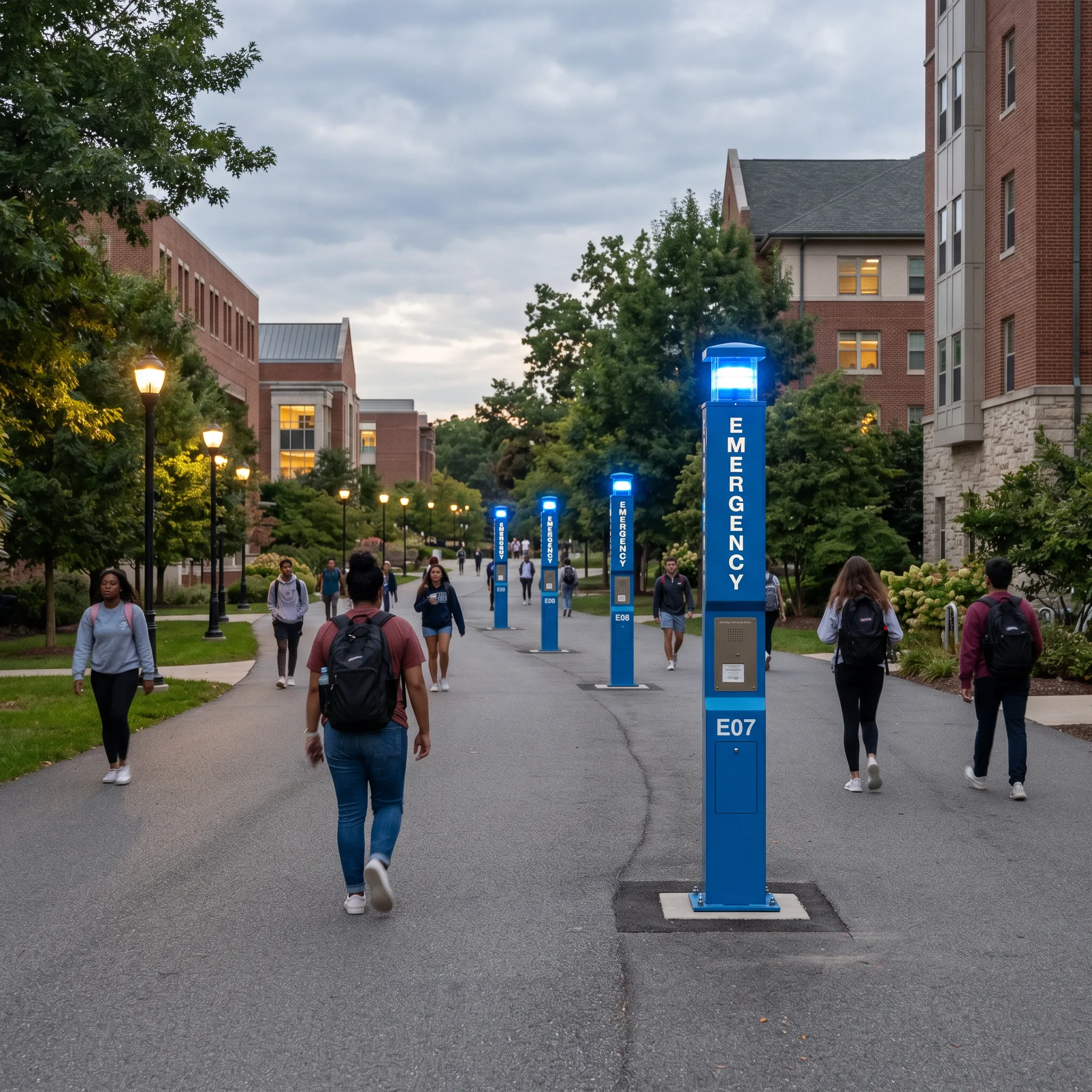
- Outdoor call boxes often include integrated strobe lights or illuminated signage to improve visibility at night and signal activation to nearby personnel.
- Both indoor and outdoor models support network connectivity via Ethernet cabling, but outdoor stations may require fiber optic runs for longer distances or cellular backup for remote locations.
- Outdoor call boxes require mounting on poles, walls, or dedicated pedestals with underground conduit for power and data cabling.
- Indoor stations can be surface-mounted on walls or recessed into wall cavities depending on aesthetic requirements and building construction.
Emergency Call Box Integration with Existing Security Systems
FACTORY-BACKED WARRANTIES & BRAND AUTHORITY
Network-connected emergency call boxes integrate with IP-based access control systems to automatically unlock nearby doors or gates when activated, allowing security personnel or emergency responders immediate entry. Call box activation triggers CCTV cameras to begin recording and display live video feeds on security workstations, providing visual context for the emergency.
Systems integrate with building management platforms to activate perimeter lighting, sound alarms, or trigger pre-programmed emergency response protocols. Call boxes connect to existing structured cabling infrastructure using standard Ethernet protocols, eliminating the need for separate dedicated networks. Integration with intrusion detection systems allows call boxes to serve as panic buttons that trigger facility-wide alerts or lockdown procedures.
Ainger installs emergency call box systems as part of a unified security infrastructure, ensuring all components communicate reliably and share a single management interface. Because Ainger is the manufacturer-authorized dealer behind your access control, video, and intercom systems (Kantech, Avigilon, Uniview, Mircom and more), the call boxes integrate with that equipment on factory-supported terms rather than as a bolt-on from an unrelated vendor.
What Is Included in Emergency Call Box System Installation
PROJECT SCOPE & DELIVERABLES
Site assessment
Determine optimal call box placement based on coverage requirements, pedestrian traffic patterns, lighting conditions, and network infrastructure availability.
Structured cabling installation
Underground conduit runs, fiber optic or Ethernet cable pulls, and power supply connections for each call station.
System integration
Integration with existing access control, CCTV surveillance, and building management systems to enable automated emergency response protocols.
Factory-backed warranties
All installed equipment from manufacturer-authorized brands including Kantech, Uniview, DSC, Avigilon, Panduit, and Mircom.
System testing verifies audio quality, video transmission, location identification accuracy, and integration functionality before final handoff. Operator training for security personnel covers call handling procedures, system management interfaces, and incident documentation workflows. 24/7 live monitoring is available as a paid add-on for facilities requiring continuous security oversight beyond on-site personnel.
Client Testimonials
What Our Customers Have to Say




















Get a Quote for Your Emergency Call Box System
READY TO START?
Every project starts with a site assessment. We’ll evaluate your facility, identify coverage requirements, and provide a detailed scope covering equipment, cabling, monitoring, and timeline. No obligation, no pressure.
Request a QuoteFrequently Asked Questions
Emergency call boxes require periodic testing to verify audio quality, button functionality, and network connectivity. Outdoor units need occasional cleaning of speaker grilles and camera lenses, plus inspection of weather seals and mounting hardware. Ainger can provide scheduled maintenance programs that include system testing, component inspection, and compliance documentation.
Installation timelines vary based on the number of call boxes, site conditions, and required infrastructure work. A typical multi-box installation for a commercial campus includes site assessment, underground conduit runs, cabling, and system integration. Ainger provides a detailed project timeline during the initial consultation based on your specific site requirements.
Yes, emergency call boxes can integrate with third-party monitoring centers, on-site security teams, or direct emergency services depending on your facility protocols. Network-connected systems support multiple notification pathways and can simultaneously alert different response teams. Ainger configures call routing based on your existing security operations and monitoring arrangements.
Most commercial-grade emergency call boxes include battery backup systems that maintain operation during power failures. Network-connected systems can also utilize cellular backup connectivity if primary network infrastructure loses power. Ainger designs redundant power and communication pathways to ensure reliable emergency access regardless of facility conditions.
Commercial-grade emergency call boxes meet ADA accessibility requirements with tactile buttons, audible feedback, and compliant mounting heights. Systems include features like large push buttons, clear visual indicators, and two-way audio that accommodates users with various accessibility needs. Ainger ensures all installations meet current accessibility codes and standards.
When a call box is activated, security personnel establish two-way audio communication to assess the situation before dispatching resources. This verification process allows operators to distinguish between genuine emergencies, accidental activations, and false alarms. All activations are logged with audio and video recordings for documentation purposes regardless of the outcome.
An emergency call box system is a device that allows individuals to quickly and easily call for help in emergencies. Common places to find these devices include parking lots, college campuses, and other open spaces.
A person in need of assistance can often activate an emergency call box system by pressing a button. This button transmits a signal to a monitoring station, where a qualified operator can react to the situation and deploy the necessary assistance.
Emergency call boxes offer a quick and convenient option for people to request assistance in dire circumstances. Additionally, these devices can make people feel more secure in the environment.
Yes, emergency call box systems are created so that anyone can use them, regardless of whether they have a phone or not. In an emergency, this is especially helpful for those who might not have a phone or whose phone might not be charged.
A commercial call box system is a system that makes it simple and quick for people to ask for assistance in a workplace. These devices are frequently found in shops, offices, and other enclosed spaces.
Commercial call box systems offer a quick and practical means for people to request assistance or help in non-emergency circumstances. Additionally, these devices can enhance customer service.
A commercial call box system is typically used to communicate in non-emergency situations, while an emergency call box system is used to request emergency assistance from emergency services.
Yes, it is possible to link commercial call box systems with other security measures like CCTV, access control, and fire alarms to offer a full range of security measures for a business.
Yes. Many commercial call box systems are adaptable and can be set up to meet the unique requirements of a business. Setting up several zones, adjusting the messages or phrases that are played, etc.
A lot of commercial call box systems include the option to page particular employees or departments for a quicker response.
Commercial call box systems are supplied with user guides and instructions, and the service provider can conduct training sessions on the system’s operation.
1996–2026

Contact Us
Get in Touch with Ainger Cabling + Security
Find Us Online